We must rebuild links and strengthen solidarity inside the FBU, says Rebecca Lewington acting regional chair for Eastern region
Fire service, where's the emergency?......
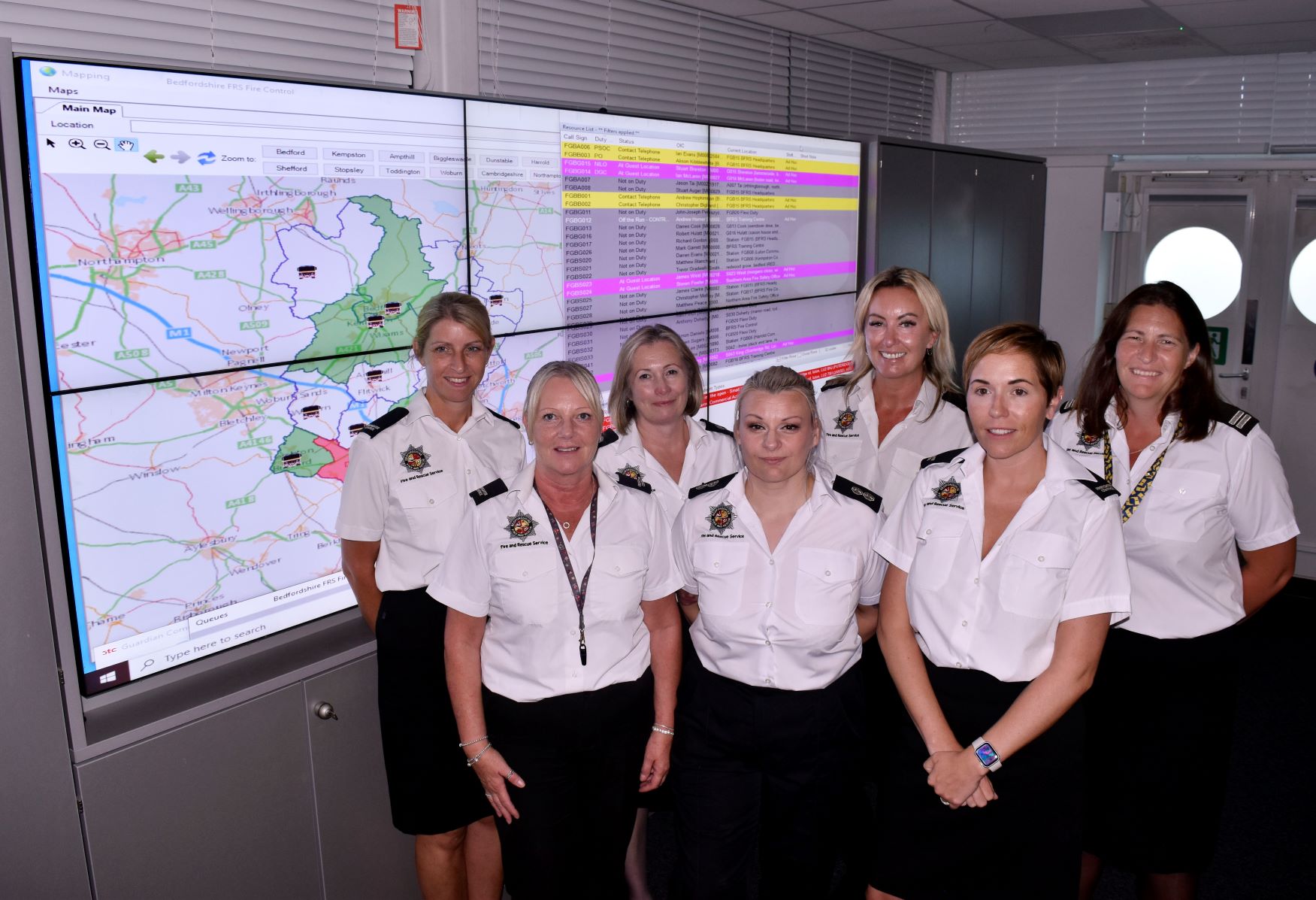
….. and with that, Fire Control are in attendance. We will remain there until the last crew leaves the scene. From now on, everything we say, hear and do will have an impact on how the incident unfolds. We’re not physically there, but our presence will be felt. This is why we earned our title ‘Firefighter Control’.
And yet, we haven’t always felt like we’re ‘part of the team’.
At FBU annual conference, Bedfordshire representatives called for a review of control pay.
Some members may not understand our role and why it's needed, so, here’s a taster of what we do.
Dynamic mobilising system
We use a cloud based, dynamic mobilising system which shows accurate caller location information and has What3Words integrated gazetteer. We use GoodSam to visually assess, make decisions on mobilising or to forward footage to mobile phones to give a heads up of what you’re going to. Our system suggests who to send but we have full autonomy to change that based on local knowledge or factors that no automated system can calculate.
We give life-saving advice to callers in danger and keep them talking until you arrive. We’ve applied Joint Emergency Services Interoperability Programme (JESIP) principles for a long time and many control staff are Airwave tactical advisors. We monitor channels for MTA or FSG emergency information and liaise with NRAT and NRFC during large scale incidents. We take calls for other brigades during spate conditions and we’ve even been known to get hold of Sea King Helicopter for a complex rescue. Whatever you need at the scene, we will get it to you.
So how has this misunderstanding in relations happened?
When I started, we had a great working relationship with our stations. We’d spend days on stations and they would visit us and see how it all works. This created camaraderie and trust in each other. When the pay campaign ended in 2003, ‘modernisation’ changed this. We weren’t allowed to have visits on stations - “where does that fit into your role map?” - and stations were too busy with increased work to visit us; even to bring new recruits in. We still have a great working relationship with our crews but they don’t know us as they did before.
Modernisation also led to the Regional FiReControl Project. Our regional control centre was built at Waterbeach, Cambridgeshire. Not too difficult to travel to for my control; life changing for others in the region. Some moved home to be closer; we were told we’d have to apply for our jobs and not everyone would be accommodated.
The doomed project was scrapped in 2010, costing over £460 million.
But the cost to control members was more than financial. We’d gone from being a strong, organised and energised FBU branch to having the wind taken from our sails.
When FiReControl was cancelled, there was relief followed by uncertainty. Unlike other brigades, we have maintained our control room but at times we’ve been told our jobs need to be justified- imagine living with that for over 10 years.
There are many challenges ahead for the FBU, for all sections and we must organise and be ready to fight for all members.
The disconnect with stations has, I believe, sadly altered solidarity for us within the FBU. At Conference, those sitting near me witnessed my frustration that the speeches made from the rostrum omitted control members when appealing for improved conditions. But this isn’t about blame; this is about reconnecting the membership. In fact, control members received great support at conference and all related resolutions were carried unanimously. The efforts made by the FBU campaigning for us to be eligible for the Jubilee Medal were appreciated; the results varied from Control to Control but the message was loud and clear: Control are part of the team.
Surprised by the work we do
We’ve had some crews visit us again now that Covid restrictions are easing and they’ve been surprised by the extent of the work we do. We must use this opportunity to rebuild those links and strengthen solidarity within the FBU.
Control staff, get involved in YOUR union. Attend the training courses, go to committee meetings but at the very least, make contact with other control members and our control staff national committee (CSNC), who work tirelessly to move our agenda within the union. We are not, and never have been, voiceless.
Firefighters, visit your control rooms; see what we do and how you can support us. There are many challenges ahead for the FBU, for all sections and we must organise and be ready to fight for all members.
To ask for solidarity from your own union is a nonsense – we're one union and we give solidarity without question.