Gary Ironmonger, who was a miner at Cortonwood in South Yorkshire, reflects on his experiences of the 1984-5 miners’ strike
On Sunday 4 March 1984, I attended a packed Cortonwood National Union of Mineworkers meeting to discuss the announcement of the closure of our pit. Along with 400 others, I voted to strike.
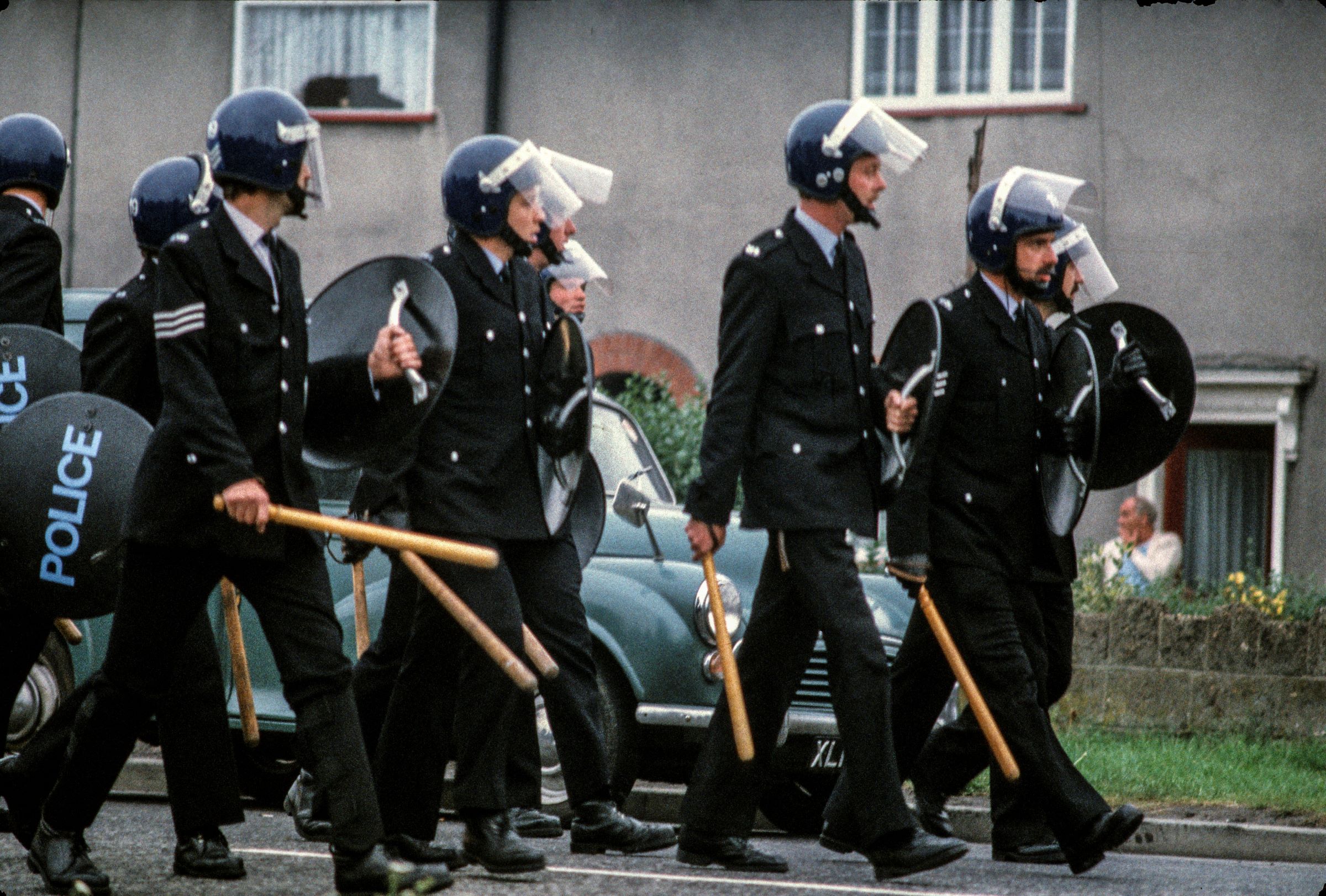
The Tory government had learnt lessons from their defeats by striking miners in 1972 and 1974. The most significant preparations were changes enabling the police to be more aggressive, which led to the police riot at Orgreave. Seventy-one miners were falsely charged with riot and 15 had to endure a 58-day trial before it was stopped due to the unreliability of the police evidence.
The Orgreave Truth and Justice Campaign is still fighting for an inquiry to expose this injustice.
Localised solidarity with rail workers and dockers refusing to move coal was fantastic, but we never saw a commitment to the strike from either the TUC or the Labour party. They much preferred trying to be mediators. Consequently, several occasions where solidarity action could have been escalated were lost.
This not only contributed to the strike’s defeat but also further defeats for other workers in following years, most notably the end of the dock labour scheme in 1989.
The Orgreave Truth and Justice Campaign is still fighting for an inquiry to expose this injustice.
We are now seeing an increase in strike action across the UK and it is important for workers to learn the lessons from 1984-85. One of the biggest of these is to recognise that coordinated industrial action is more effective and strikes should be linked as far as possible.