As world leaders gather once again to discuss the climate crisis, Helen Hague looks at its impact on a UK fire service crippled by cuts
Photo: Paul Wood
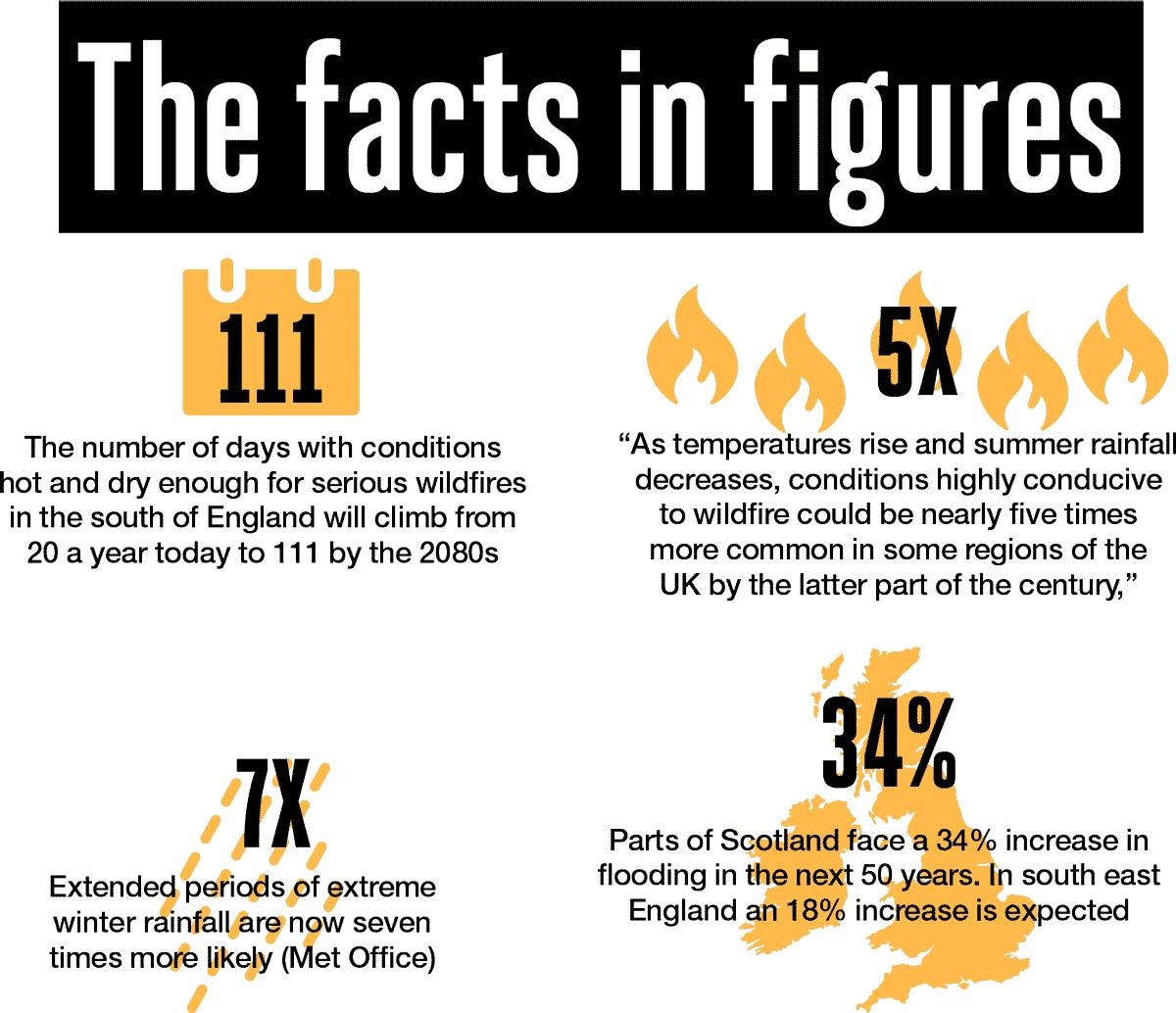
July saw the temperature in parts of the UK exceeding 40 degrees centigrade for the first time in recorded history. In the driest July since 1935, wildfires flared in tinder-dry fields and rail tracks buckled.
In London, Leicestershire and South Yorkshire, fire brigades declared “major incidents”. Even for hardened climate change deniers, the events of summer 2022 should be a wake-up call.
For the firefighters called out to wildfires, chasing flames across arid fields carrying heavy hoses, the experience of dealing with the fallout from a heating planet is all too real.
And, after a decade of fire service cuts, so too is the glaring lack of a properly funded strategy to cope with the ever-increasing effects of human -induced climate change.
As the threat of wildfires and floods has grown, the UK firefighter headcount has fallen by more than a fifth since 2010. Yet firefighters increasingly find themselves on the climate change frontline in an under-resourced service as they face the mounting challenges of more wildfires, more floods and the effects of global heating on infrastructure not designed for ever higher temperatures.
Government and fire chiefs have had ample warning: heatwaves have been on the National Risk Register since 2008 and wildfires since 2013. But, in the words of FBU general secretary Matt Wrack, there has been a “horrible complacency”.
NOT JUST ONE-OFFS
The word “unprecedented” has become overused. In these extraordinary times, extreme events are not just one-offs – grouped together they are the reality climate change. This summer, a golf course caught fire in Birmingham and flames rampaged through fields in West Cornwall.
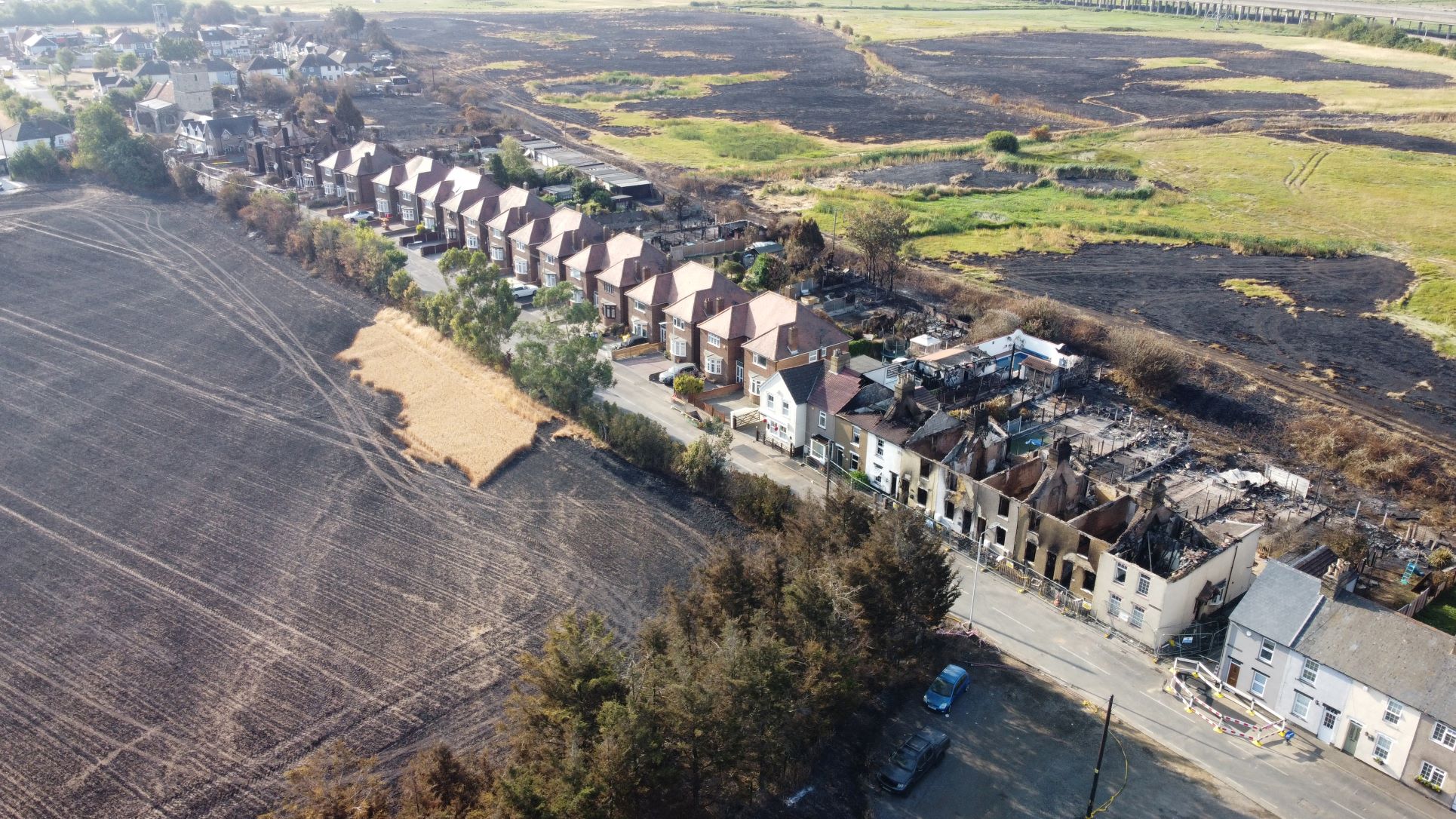
London firefighters had their busiest day since the Second World War on 19 July. In Wennington, East London, two rows of terraced houses were destroyed by fire.
Only days before, the National Joint Council made a pay offer of just 2% to firefighters and control staff. An insulting offer, showing no recognition of the increased workloads of FBU members.
Record temperatures twinned with lack of rainfall provide the perfect backdrop for wildfires – and Britain is having to get used to both. In August, drought was officially declared in eight English regions – and the whole of Wales followed in early September, before the thunderstorms came.
Over the summer, nearly all fire and rescue services in the most severely affected areas had to ask off-duty firefighters to come in for extra shifts
And this pattern will not be ending any time soon. Climate scientists have a stark warning: heatwaves are likely to become more common and more extreme globally as human-induced climate breakdown intensifies.
The horrendous effects and human suffering that can result are beamed into British homes through television news bulletins and online platforms.
The floods in Pakistan – covering one third of the country and killing more than 1,600 people – and Hurricane Ian in Florida, which has also killed many, are just two startling examples of the devastation climate change is wreaking.
In California, the ever lengthening fire season, fuelled by tinder-dry vegetation and gusting winds, has already sparked deadly and destructive wildfires. The season is not over yet.
As more evidence unfolds, some people are changing their behaviour to reduce the size of their carbon footprint – from cutting out meat to choosing to holiday in the UK. But it can’t just be left to individuals. Global warming, bringing more floods, wildfires and wrecking crucial infrastructure is undoubtedly a worldwide problem.
World leaders are gathering in Egypt for Cop27 in November to try and agree a united approach to tackling the disastrous effects of yet more climate change, fuelled by carbon emissions from burning fossil fuels.
CLOSER TO HOME
But it is also up to the government of every country to ensure its citizens and their property are as well protected as possible as the planet heats. This brings the argument closer to home.
As the FBU leadership has pointed out consistently, a properly resourced and staffed professional fire service must be a key component in any credible response. And, after relentless cuts, the FBU and its members can tell that we certainly do not have one at the moment.
The evidence is plain. Over the summer, nearly all fire and rescue services in the most severely affected areas had to call up off-duty firefighters and ask them to come in for extra shifts.
In London, at the height of the summer fires, 40 fire engines remained on station because of staff shortages.
The Conservative government is intent on yet more cuts in public services rather than a much needed investment boost.
As the world warms, firefighters – and the communities they serve – surely deserve better.