Firefighters in England and Wales will strike for the fifth and sixth times this weekend, between 6pm and 10pm on both Friday 13 and Saturday 14 December.
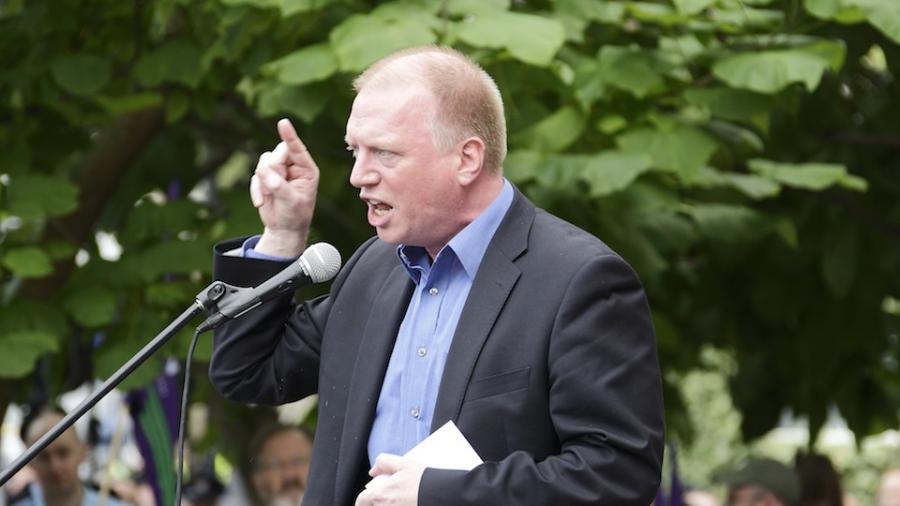
Matt Wrack, Fire Brigades Union General Secretary, said: “It’s now been almost two months since the government has been willing to meet for negotiations despite several invitations from us.
“Until they do and until they start to actually resolve the dispute, we’ll keep up the pressure for the sake of public safety and our members’ pensions.
“In a week when the full details of a £7,600 pay rise for MPs’ — which will also increase their pensions — emerged, firefighters’ anger at the governments unworkable, unaffordable and unfair proposals will be even greater.
“No firefighter wants to strike, but we cannot allow the government’s ludicrous proposals — and outright hypocrisy — to stand. We’ll keep on fighting until the government sees sense and comes back to negotiations.”
Most firefighters take home approximately £1,650 a month and already pay £320 or more a month into their pensions.
From April 2014 this will rise for the third year in a row to over £340 a month (£4,000 a year).
Many firefighters also face a fourth consecutive rise of 2.2% expected in 2015.
On top of this, a large section of firefighters face an additional threat to their pensions as a result of the government refusing to honour long-standing agreements. As a result, they will not receive the pension they were promised despite paying into their scheme for many years.
The FBU argues that the scheme is one of the most expensive for workers anywhere in the public or private sector.
Contrary to government claims, it is also one of the least generous because employers pay one of the lowest proportions of pension costs compared to other public service employers.
The union has also said that the expensive pension proposals are designed to fail because they ignore the physical demands and fitness standards required by the firefighters’ occupation.
Evidence suggests that at least two thirds of the current workforce would be unable to maintain the fitness standards required by the fire service beyond the age of 55.
Such firefighters would face the prospect of being dismissed or seeing their pension reduced by almost half.