Inflation is set to hit 9% and taxation is at its highest since Britain struggled to recover from the Second World War. But government aid is targeting the better off says Steve Bates
A sign outside an Australian petrol station a few weeks ago said it all. Where normally prices were displayed for premium and diesel the words ARM, LEG and FIRST BORN had been substituted.
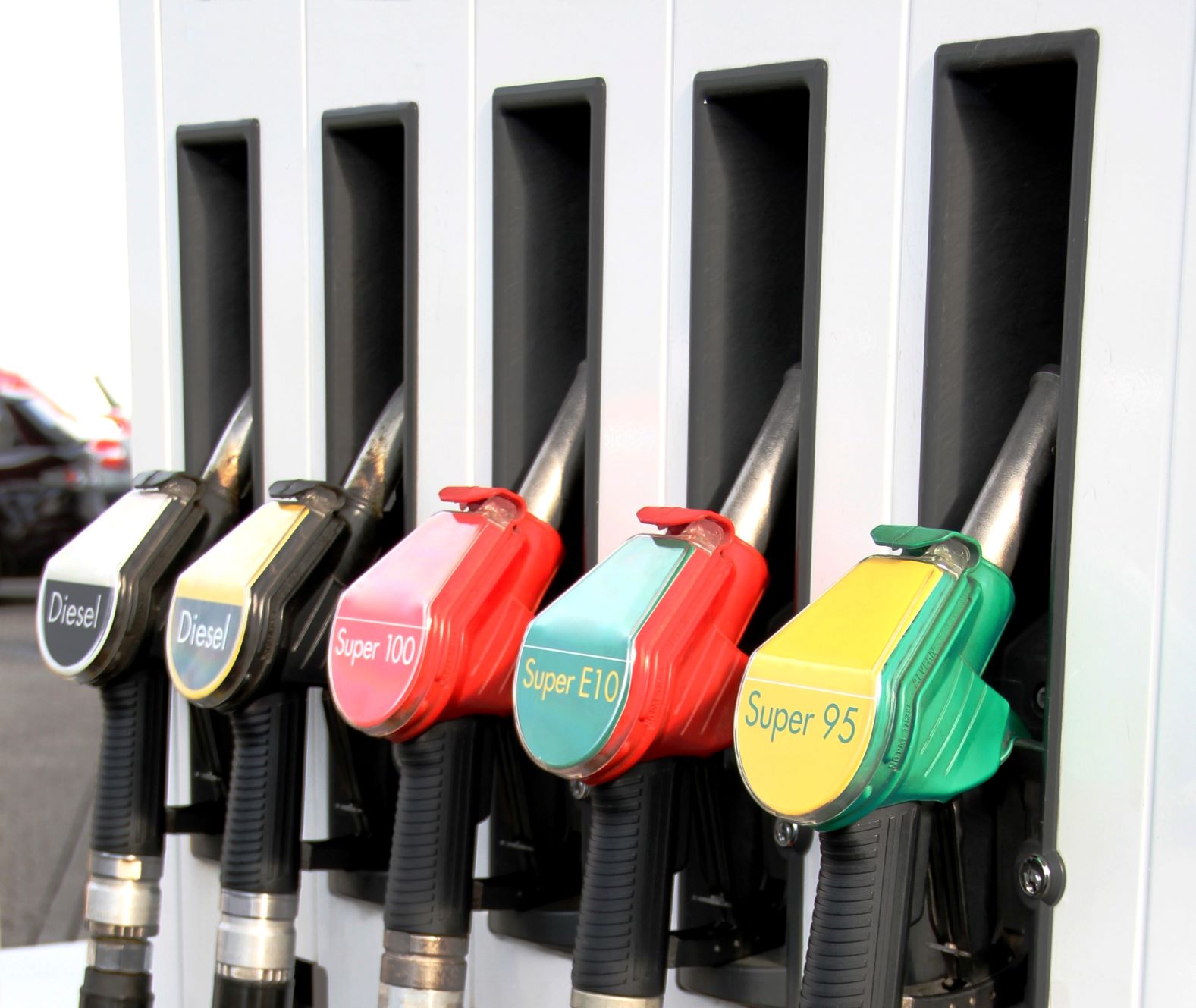
You may well sympathise. Rishi Sunak’s five pence per litre cut in fuel excise duty in his Spring statement on 23 March, though trumpeted by the government, made little difference – at my local petrol station which had just put up prices, it meant merely reducing them to what they had been a fortnight or so earlier.
Remember last September’s petrol shortages? Then we were paying £1.37 a litre; now it’s around £1.60. The Chancellor’s cut at most lops a couple of quid off a tank of petrol, freeing a motorist to invest instead in a couple of Yorkie bars and maybe a takeaway coffee.
NO WINDFALL TAX
Sunak notably did not introduce a windfall tax on the petrol companies which have been making vast profits over the rising cost of crude oil and, funnily enough, putting up pump prices much faster than they will think about taking them down as the price of a barrel of crude oil drops from a high of $130.
This, unfortunately, was all of a piece with the Spring statement which provided little help for those most struggling with the spiraling cost of living.
The Office for Budget Responsibility reckons we are due the biggest fall in living standards since 1956. Inflation, already at more than 6% may hit 9% by the end of the year and the overall tax burden is now 36.3% on earnings: the highest it has been since the late 1940s as the Attlee government struggled with Britain’s post-Second World War recovery.
Petrol prices might be the most obvious rising cost at present, but household energy bills are now starting to hit family budgets too. Last year they averaged £800, they are now heading towards £2,000 as the Ofgem regulated price cap is eased and in October when the cap is assessed again they are forecast to climb as high as £3,000, just in time for next winter. “That’s my conservative guess, not the worst case,” said Martin Lewis, founder of the MoneySavingExpert website.
RUSSIAN GAS
Some of this has been caused by market turbulence following Vladimir Putin’s invasion of Ukraine and its effect on Russian gas supplies to Europe.
Other knock-on effects will follow. Ukraine is one of the largest grain exporters in the world and if many farmers there are unable to sow or harvest their wheat fields this year, you can expect the price of bread and other commodities to rise too.
Other increases in costs and reductions in the income of low and medium wage households – “hard-working families” as ministers patronisingly call them – are directly down to the government however and Sunak’s statement did little to alleviate them.
The decision last autumn to end the £20 a week top up for families on Universal Credit during the pandemic together with effective cuts in Disability Benefits have been described by Lord Freud, the former Tory minister in charge of welfare reform as vicious.
Last autumn inflation was predicted to be 3% so that was the basis on which benefits are now uprated; inflation two or three times that high will mean some of the poorest families having to choose between heating and eating.
Sunak refused to rescind the 1.25% rise in national insurance contributions – his pet scheme for a health and social care levy to tackle backlogs in NHS waiting lists and overhaul social care, though it won’t fully cover that – but he did tinker with it, raising the threshold for paying NICs from £9,880 to £12,570 from July.
LOWEST PAID
This might benefit the lowest paid by about £300 a year, but any such savings are likely to be eaten up by inflation. The Resolution Foundation pointed out that of every £3 of new help provided by the Chancellor £2 will go to those in the top half of income distribution.
Sunak boasted of the biggest net cut in personal taxes in a quarter of a century, but as the Office for Budget Responsibility (OBR) observed, that only reversed a sixth of the tax rises the Johnson government has introduced in the last three years.
Never mind to the jubilation of Tory backbenchers: the Chancellor promised a one penny in the pound reduction in income tax in 2024 - just in time for the next General Election. Hang on to that hope.